Household rubbish removal Clapham Junction Wandsworth
Posted on 12/08/2026
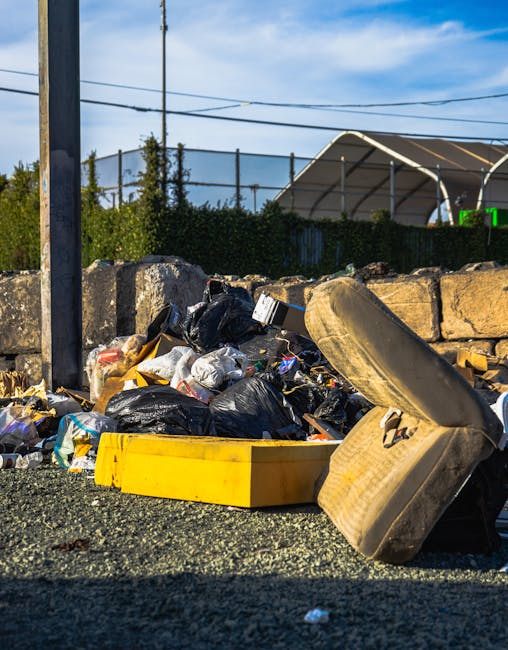
Household rubbish removal Clapham Junction Wandsworth: a practical local guide
If your flat, house, or shared property in Clapham Junction is starting to feel crowded with unwanted bags, broken furniture, old appliances, and that one box you meant to sort out months ago, you are not alone. Household rubbish removal Clapham Junction Wandsworth is one of those jobs that looks simple until you actually start moving things around the hallway at 7pm and realise there is more clutter than you thought. This guide explains how it works, what to expect, where the real value is, and how to avoid the usual mistakes that turn a quick clear-out into a messy weekend.
Whether you are clearing after a move, refreshing a rental, making space for a renovation, or just trying to get your home back under control, the right approach saves time, stress, and repeat lifting. Let's make it straightforward.
Why household rubbish removal Clapham Junction Wandsworth matters
Clapham Junction sits in a busy part of Wandsworth, with flats above shops, converted houses, new-build apartments, and homes where storage space always seems to be at a premium. That matters because household rubbish removal is not just about getting rid of "stuff". It is about keeping homes usable, keeping communal spaces clear, and preventing waste from piling up in places where it becomes awkward, unhygienic, or even unsafe.
In a dense London area, rubbish left too long can quickly become an issue for everyone in the building. Bags can split, cardboard gets wet, pests show up, and suddenly a small amount of household waste has become a much bigger problem. To be fair, most people only notice the value of proper removal once the pile is already in the way.
This service also matters because household waste comes in different forms. Some items are easy enough to bag and move; others need care. Think bulky furniture, mattresses, old kitchenware, torn carpets, or broken electricals. If you are not sure what to do with a mix of general rubbish and larger items, a structured removal plan is often the cleanest answer.
For local readers, there is another angle too: good waste handling supports the wider neighbourhood. If you are exploring more about the area and its day-to-day character, the posts on local life in Wandsworth and Wandsworth's neighbourhoods give useful background on why convenience and liveability matter so much here.
How household rubbish removal Clapham Junction Wandsworth works
At a practical level, the process is usually quite simple. You identify what needs removing, decide whether it is general household rubbish or a mix of items, arrange collection, and then have the waste taken away for sorting, disposal, or recycling. The exact method depends on the volume, the type of waste, access to the property, and whether anything is too bulky to carry safely by hand.
In most real-world jobs, the workflow looks something like this:
- List what needs to go. Bags, boxes, broken chairs, shelves, appliances, small electronics, old bedding, and so on.
- Separate anything reusable, recyclable, or sensitive. Personal paperwork and hazardous items should never just be left in a mixed pile.
- Check access. Is there a narrow stairwell, a shared hallway, no lift, or restricted parking? In Clapham Junction, access can change the whole job.
- Arrange the collection window. Fast jobs are great, but a small amount of preparation makes everything smoother.
- Remove and load. The waste is lifted out carefully, without dragging items through the home if that can be avoided.
- Sort and route responsibly. Mixed waste is separated where possible so recyclable material does not end up treated as general rubbish.
A good service should be transparent about what can be collected, what needs special handling, and whether any items require separate treatment. If you are clearing a whole property or several rooms, it may be worth looking at broader support such as house clearance in Wandsworth rather than treating everything as a simple bag-and-bin job.
One thing people often forget: timing. If you are clearing a property before guests arrive, before a move-out inspection, or before new furniture arrives, the collection date matters as much as the service itself. A tidy flat that is still full of rubbish is, well, still not tidy.
Key benefits and practical advantages
The biggest benefit is obvious: you get your space back. But the real value goes further than that. Good household rubbish removal makes the home easier to use, easier to clean, and easier to enjoy. The floor is visible again. Hallways are safer. The kitchen stops feeling like a storage closet with a kettle in it.
Here are the main advantages people usually notice:
- Speed: Faster than trying to manage everything in multiple trips.
- Less strain: Heavy lifting and awkward items are handled for you.
- Cleaner finish: A proper removal clears the whole pile in one go, not half of it.
- Better organisation: Useful when you want to sort before moving, selling, or redecorating.
- More responsible handling: Recyclable items can be separated from general waste where appropriate.
- Lower stress: Fewer logistics, fewer trips, fewer "we'll do it tomorrow" moments.
There is also a practical financial angle. When you clear clutter properly, you often spot items that can be reused, donated, or moved elsewhere instead of replaced unnecessarily. That might not sound glamorous, but it adds up. A lot.
If sustainability matters to you, it is worth reading the company's approach to recycling and sustainability so you know how materials are handled beyond the initial pickup.
Expert summary: The best household rubbish removal is not simply the fastest collection. It is the one that fits your property, respects access constraints, separates waste sensibly, and leaves the home genuinely usable again.
Who this is for and when it makes sense
This kind of service suits a surprisingly wide range of people. It is not just for people doing a full clear-out after a move. In practice, household rubbish removal in Clapham Junction Wandsworth is useful whenever waste has become too bulky, too much, or too awkward to manage through normal bin collection.
It makes sense if you are:
- moving in or moving out of a flat or house
- preparing a property for sale or letting
- decluttering after years of "I'll deal with it later" storage
- clearing the aftermath of a home renovation
- disposing of broken furniture or unwanted household items
- sorting out a rental turnover between tenants
- helping a relative clear a home with care and discretion
It is also useful for busy people who do not have the time, transport, or patience to make repeated journeys to dispose of waste themselves. Let's face it, loading heavy bags into a car in London traffic is rarely anyone's idea of a pleasant Saturday.
If your waste includes furniture, the most sensible route may be a dedicated furniture disposal service. For mixed household waste and general rubbish, a broader waste collection option is often more practical.
And if you live around the station or use the local high street regularly, the local area guide on rubbish collection in SW18 and Wandsworth High Street gives helpful context on how everyday collection needs tend to work in the area.
Step-by-step guidance
If you want the process to run smoothly, a little planning goes a long way. Here is the clearest way to approach it.
1. Do a room-by-room sweep
Start with one room at a time. Kitchen first if you have a lot of packaging and broken utensils; bedroom first if you are dealing with old wardrobes, bedding, or storage clutter. Room-by-room sorting feels slower at the start, but it prevents the classic mistake of making piles everywhere and losing control of the job.
2. Group items by type
Put similar items together: general rubbish, cardboard, soft furnishings, hard furniture, electricals, and any items that may need specialist handling. Even a simple rough sort makes collection easier and can reduce waste contamination. That is one of those boring little details that pays off.
3. Identify bulky or awkward items early
Bulky items change the logistics. A sofa, mattress, wardrobe, or chest of drawers might need dismantling, and narrow staircases make the whole job trickier. In a Clapham Junction property, shared access can be the real bottleneck, not the waste itself.
4. Keep access clear
Move shoes, coats, bikes, pet items, and loose clutter away from the route the team will take. If the collection path is clear, the job tends to go much more smoothly and the home stays cleaner.
5. Confirm what is included
Make sure you know whether the service covers labour, loading, sorting, recycling, disposal, or just the lift-away stage. The smallest misunderstandings usually happen here, and they are easy to avoid if you ask upfront.
6. Check final sweep and finish
Once the rubbish is removed, do a final look around corners, behind doors, under beds, and inside cupboards. Honestly, there is always one stray thing hiding somewhere.
If the job is linked to selling or staging a home, a quick read of the steps to sell property in Wandsworth can help you time the clearance around photographs, viewings, and handover deadlines.
Expert tips for better results
Good rubbish removal is rarely complicated, but there are a few habits that make the whole thing cleaner and cheaper in practice.
- Sort before collection day: Pre-sorting means less time spent on site and less chance of confusion.
- Keep recyclables separate where possible: Clean cardboard, metals, and reusable items are easier to manage when not mixed with food waste or damp material.
- Be realistic about access: If parking is tight or there is a long carry to the vehicle, say so early. It helps everyone.
- Bundle similar items together: Stacking flat-pack cardboard, grouping bags, or keeping furniture together can make removal quicker.
- Take a quick photo of the pile: This is often useful for planning and helps avoid surprises on the day.
- Plan around building noise and neighbours: In flats, timing matters. Early morning loading can be awkward if the block is quiet and echoey.
Small thing, but worth saying: don't leave everything to the last hour before the collection. The rush tends to create extra clutter rather than reduce it. We have all done it, or at least thought about doing it.
If you want a broader view of the company background and service approach, the about us page and services overview are useful places to understand the wider offer before booking.
Common mistakes to avoid
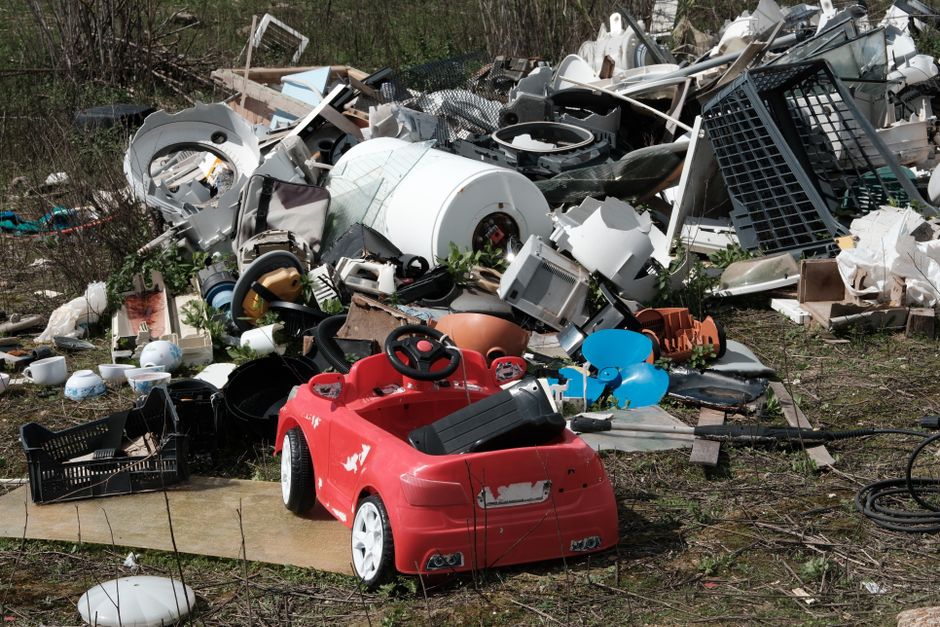
Most problems with household rubbish removal are avoidable. They usually come from rushing, guessing, or assuming everything can be treated the same way.
- Mixing everything together: Not all waste is equal. Some items need recycling, separate disposal, or special treatment.
- Leaving access planning too late: If the lift is small or the street parking is limited, the job can slow down fast.
- Underestimating volume: A few bags can grow into a roomful once you actually start sorting.
- Ignoring fragile or personal items: Paperwork, photos, electronics, and sentimental items deserve a proper check before removal.
- Choosing the first option without reading the details: Always understand what is included and how the collection works.
- Forgetting recycling potential: Some items can be handled more responsibly if kept separate from the start.
Another common issue is assuming household rubbish and renovation debris are the same thing. They are not. If your clear-out includes plasterboard, timber offcuts, or rubble, you may need a different service, such as builders waste disposal in Wandsworth. Better to separate that early than discover it at the kerbside.
Tools, resources and recommendations
You do not need a lot of specialist gear, but a few basic tools make household rubbish removal much easier.
Useful tools at home
- strong refuse sacks or heavy-duty bin bags
- marker pens for labelling boxes
- gloves for handling dusty or sharp items
- packing tape for sealing boxes and loose parts
- a trolley or moving straps for heavier items, if you are moving things short distances
- basic cleaning supplies for the final sweep
Useful planning resources
When deciding what to keep, donate, recycle, or remove, a simple four-pile method works well: keep, donate, recycle, remove. Nothing fancy. Just honest sorting. It saves time and it cuts down on second-guessing later.
For household projects that involve more than one room, it can also help to look at the wider service pages for related needs. For example, if the clutter includes damaged seating or unused wardrobes, furniture disposal is relevant. If the job is tied to a garden refresh, garden waste removal may be the better fit. And if you are clearing a whole property from top to bottom, house clearance is often the more complete option.
For anyone comparing practical details such as booking process, payment methods, or service reassurance, the pages on pricing and quotes and payment and security are useful reading before you decide.
Law, compliance, standards, or best practice
With household waste, the safest rule is simple: don't assume. In the UK, waste should be handled responsibly, and if you are paying for a collection service, it is sensible to choose one that works in line with accepted waste management practice, keeps clear records where appropriate, and understands the difference between general domestic waste and items needing special handling.
You do not need to memorise legislation to make a good decision, but you should expect a few basic standards. These include:
- clear communication about what is and is not accepted
- careful handling to avoid damage, spills, or unsafe lifting
- appropriate sorting and routing of collected waste
- respect for shared spaces, neighbours, and access routes
- transparency about service terms, exclusions, and any extra handling needs
If a provider is insured and safety-conscious, that is a strong sign they understand the practical realities of waste removal in homes and shared buildings. The insurance and safety information is worth reviewing if you want reassurance on those points.
There is also a basic duty of care on the homeowner side: separate hazardous or sensitive items if they are present, do not leave waste somewhere it could create a nuisance, and avoid putting yourself at risk by carrying awkward items alone. Truth be told, a dodgy mattress down a narrow stairwell can humble almost anyone.
Options, methods, or comparison table
There are a few different ways to deal with household rubbish in Clapham Junction Wandsworth. The best choice depends on time, volume, item type, and how much manual effort you want to take on yourself.
| Method | Best for | Pros | Limitations |
|---|---|---|---|
| Self-clearing in small loads | A few bags or lightweight items | Flexible, low upfront cost, simple | Time-consuming, physical effort, multiple trips |
| Targeted furniture or bulky-item removal | Sofas, beds, wardrobes, single large pieces | Good for awkward items, less lifting | May not suit mixed household waste |
| Full household rubbish collection | Mixed bags, clutter, and general rubbish | Efficient, saves time, ideal for busy households | Needs clearer planning and access information |
| House clearance | Whole-room or whole-property projects | Most comprehensive, very practical for larger jobs | More involved than a simple collection |
| Dedicated specialist disposal | Builders' waste, garden waste, unusual loads | Better for specific materials | Not suitable for everything in one go |
If you are undecided, ask yourself one question: is this a quick tidy-up, or is it really a project? That answer usually points you in the right direction.
Case study or real-world example
Here is a realistic example from the kind of job people often face in Clapham Junction. A couple in a first-floor flat had just finished a long renovation. The home looked mostly finished, but the spare room had become a dumping ground: cardboard, two broken bedside tables, an old chair, bags of packaging, some minor electrical waste, and a pile of items they had promised to sort "next week". That next week had drifted on for nearly a month.
They started by separating what could stay, what could be recycled, and what needed removal. Then they cleared the hallway, checked the stair route, and grouped the rubbish into easier-to-carry sections. The main challenge was not the volume, but the access. The staircase was narrow and the building was quiet in the evenings, so timing had to be handled carefully to avoid disruption.
Once the collection was arranged, the property was cleared quickly, and the spare room finally became usable again. Not glamorous, but very satisfying. The sort of thing you notice immediately when you walk in the door the next morning: the room breathes again.
That is the real point. Good rubbish removal is not only about disposal. It is about getting your space back without turning your whole week upside down.
Practical checklist
Use this simple checklist before arranging household rubbish removal Clapham Junction Wandsworth:
- Identify everything that needs removing.
- Separate general rubbish from furniture, electricals, and recyclable items.
- Check for anything personal, fragile, or sensitive that should stay.
- Measure or estimate bulky items and note stair access or lift access.
- Clear the route from the rooms to the exit.
- Decide whether this is a simple collection or a fuller clearance job.
- Confirm the booking details, including timing and any access notes.
- Keep pathways, hallways, and communal areas clear on collection day.
- Do a final sweep of cupboards, behind doors, and under beds.
- Review the space once it is clear and deal with any leftovers straight away.
A tiny bit of preparation here saves a lot of hassle later. Honestly, it is the difference between a smooth day and a frustrating one.
Conclusion
Household rubbish removal Clapham Junction Wandsworth is really about making home life easier. The best collections are calm, organised, and tailored to the property rather than rushed or improvised. When you sort the waste properly, understand access, choose the right method, and handle the job with a bit of planning, the whole process becomes much simpler than people expect.
If you are clearing a flat, managing a move, preparing for renovations, or just getting rid of years of accumulated clutter, the smartest next step is usually to assess the load properly and choose the service that matches it. A good result is not just an empty room. It is a room that feels ready again.
Get a free quote today and see how much you can save.
 Tipper Van - Waste Collection and Builders Waste Clearance Prices in Wandsworth, SW8
 Luton Van - Waste Collection and Builders Waste Clearance Prices in Wandsworth, SW8


