Commercial rubbish collection Southside shopping centre Wandsworth
Posted on 02/09/2026
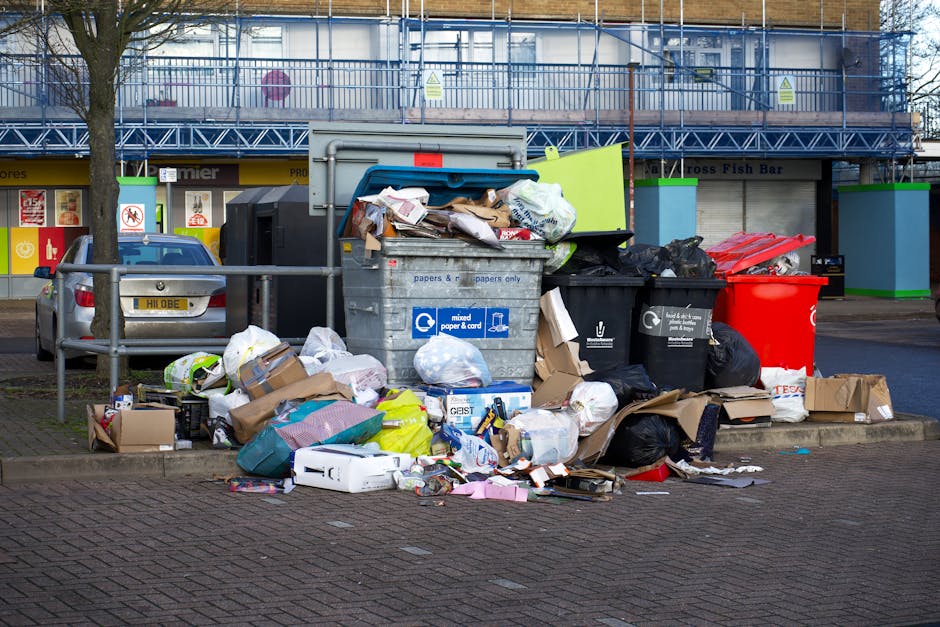
If you manage a unit, kiosk, cafe, back-of-house store room, or service corridor in or around Southside shopping centre in Wandsworth, rubbish has a habit of building up faster than anyone expects. One busy delivery day, a stack of cardboard cartons, broken packaging straps, food waste, and a couple of awkward bulky items can suddenly turn into a real operational headache. That is exactly where Commercial rubbish collection Southside shopping centre Wandsworth becomes more than a convenience. It becomes part of keeping the place clean, safe, and easy to trade from.
This guide walks through how it works, what businesses should think about, common mistakes to avoid, and the practical steps that make collections smoother. It is written for people who need straightforward answers, not fluff. To be fair, rubbish management is rarely glamorous. But if you get it right, everything else feels easier.

Why Commercial rubbish collection Southside shopping centre Wandsworth Matters
Shopping centres run on rhythm. Deliveries arrive, customers move through, units restock, packaging comes off, and waste appears in all the places it should not. If collections are inconsistent, even a small pile of rubbish can affect the look and feel of a shared retail environment. And in a busy centre, that matters a lot more than people sometimes admit.
Commercial waste at Southside is not only about appearances. It affects day-to-day safety, hygiene, back-of-house movement, stockroom efficiency, and the general impression customers get as they pass by. A clean, well-managed centre feels organised. A cluttered one feels tired, even if the businesses inside are doing everything else right.
There is also a practical side. Commercial waste is usually mixed, larger in volume, and more varied than household rubbish. Cardboard, soft plastic, food waste, old fixtures, damaged shelving, and end-of-line stock packaging all need handling in a way that suits the site. That is why a proper collection routine beats trying to "make do" with ad hoc clear-outs every now and then.
For businesses looking at wider waste planning, it can help to understand the bigger picture too. A useful overview is available in the site's services overview, while the page on recycling and sustainability gives a plain-English sense of how waste can be handled with less environmental drag. That kind of joined-up thinking is useful, especially when several tenants or teams are involved.
Practical takeaway: if waste is predictable, collections should be too. The less "emergency clearing" you need, the easier the operation becomes.
How Commercial rubbish collection Southside shopping centre Wandsworth Works
In simple terms, commercial rubbish collection follows a planned route: waste is separated, stored safely, collected at agreed times, and taken away for disposal or recycling. In a shopping-centre setting, the workflow usually needs to fit around trading hours, deliveries, footfall, and access constraints. That sounds obvious, but you would be surprised how often the timing gets overlooked.
1) Waste is sorted at source
The best collections start before anything reaches the bin store. Staff should separate cardboard, general waste, food waste, plastic wrapping, and heavier or bulkier items as early as possible. This makes collections more efficient and reduces the risk of contamination, which can make recycling harder.
2) Storage needs to be practical, not perfect
Not every business has a huge back room. Some units have tight stock areas, shared service corridors, or limited space behind counters. So the waste set-up needs to be realistic. If bins are awkward to reach or lids are always left off because they are annoying to use, the system is not going to work for long. Small friction points matter.
3) Collections are scheduled around the site
Commercial collections are usually arranged to minimise disruption. For a shopping centre, that might mean early-morning pickups, off-peak visits, or timed access via loading bays. A sensible schedule keeps waste moving without interrupting customer flow. No one wants a bulky lift trolley blocking an entrance at 11:30 on a Saturday.
4) Bulky or specialist waste is separated
Not everything belongs in the standard general-waste stream. Old display units, broken furniture, refurbishment debris, or surplus stock can require separate handling. If you need occasional larger clearances, services such as furniture disposal or builders waste disposal may be more suitable than a routine bin lift. That distinction saves time and avoids messy surprises on the day.
5) Documentation and checks matter
Good waste management is not just about moving bags from A to B. Collection notes, agreed access instructions, and basic records help everyone stay aligned. If a site has multiple tenants, it is especially helpful to know what is collected, when it is collected, and who is responsible for what. Simple, but essential.
Key Benefits and Practical Advantages
When commercial waste is handled well, the benefits show up in ways that are both visible and operational. It is not only about having fewer bags around the place. It is about making the whole site easier to run.
- Cleaner customer-facing areas: tidy service zones support a better first impression.
- Better back-of-house flow: staff can move stock and packaging without weaving around waste.
- Reduced smell and hygiene issues: especially important where food or drink is involved.
- Less strain on staff: people are not improvising with overloaded bins or unsafe lifting.
- Improved recycling performance: separating materials properly can make a real difference.
- Fewer last-minute emergencies: a planned pickup beats a panicked "can someone deal with this?" at closing time.
There is also a softer benefit that business owners sometimes underestimate: confidence. Staff generally work better in an environment that feels under control. Customers do too. A neat waste area may not win awards, but it quietly supports the whole operation.
If your commercial site also deals with office-based admin, stock paperwork, or seasonal fit-outs, related support such as office clearance can help when you are clearing cupboards, desks, old filing, or unwanted fixtures. And if your business has a visitor-facing lounge or seating area, furniture disposal can be useful when the old chairs, tables, or display pieces have reached the end of the line.
Who This Is For and When It Makes Sense
This service is relevant to far more businesses than people first assume. It is not just for big retailers with mountain-sized cardboard output. Smaller operators can benefit just as much, sometimes more, because they have fewer staff to manage the mess.
- Retail units with regular packaging, stock rotation, and daily customer traffic
- Cafes, kiosks, and food outlets handling food waste and delivery packaging
- Pop-up traders needing flexible, short-term collection arrangements
- Service businesses with boxed supplies, consumables, and maintenance waste
- Managers of shared premises coordinating waste across multiple occupiers
- Seasonal businesses that see sharp spikes during holidays or promotions
It makes sense when waste volume becomes too much for ordinary on-site handling, when bins overflow too often, or when your team starts spending too much time shifting rubbish instead of doing the work that actually pays the bills. That last point is usually the tell. If waste is eating into trading time, the system needs attention.
For business owners planning around the local area, it can also help to understand how waste and access fit into the broader Wandsworth environment. The article on rubbish collection in SW18 and Wandsworth High Street offers useful local context, while household rubbish removal in Clapham Junction gives a sense of how collections are managed in nearby busy streets. Different setting, yes, but the practical lessons often overlap.
Step-by-Step Guidance
If you want a waste setup that runs properly rather than one that survives by luck, here is a sensible way to approach it.
-
Assess what you actually throw away.
Look at the waste from a normal week, not just the busiest day. Cardboard, mixed general waste, food waste, shrink wrap, broken items, and occasional bulky pieces all need different handling.
-
Identify storage and access points.
Check where waste is held, how staff move it, and whether collection access is straightforward. If the route is awkward, the process will slip. It always does.
-
Separate recyclable materials where practical.
Cardboard is the obvious one, but many sites can also do better with plastics and clear packaging. Keep the sorting process simple enough that staff will actually use it.
-
Choose collection frequency based on reality.
Daily, several times a week, or a flexible schedule can all work. The right answer depends on trade levels, waste type, and storage space. If bins are filling before the next pickup, increase frequency rather than hoping for the best.
-
Set clear responsibilities.
Someone should know who replaces liners, who reports access issues, and who flags contamination or overflow. Without ownership, rubbish management becomes everyone's problem, which usually means no one's.
-
Review after a busy period.
Seasonal promotions, payday weekends, holiday trading, and refurbishment work can all change waste volumes. Review the setup after those peaks and adjust. Tiny corrections can prevent bigger messes later.
If you are dealing with an unusually heavy clear-out, services like house clearance may not sound commercial at first glance, but the underlying principle is the same: remove unwanted items efficiently, sort them properly, and keep the site workable while you do it. Waste does not care whether the label is residential or commercial. It just takes up space.
Expert Tips for Better Results
These are the details that usually separate a smooth setup from one that becomes frustrating within a month or two.
- Keep your bins easy to reach. If staff need to squeeze past stock or move obstacles, they will delay disposal. That is human nature.
- Label waste streams clearly. A simple visual guide in the back room can prevent contamination and confusion.
- Do not overfill sacks or containers. It is tempting, especially on a hectic day, but it creates lifting risks and collection delays.
- Match collection timing to trading hours. Early mornings often work better for retail sites than mid-day pickups.
- Track recurring waste patterns. If packaging spikes after deliveries, or food waste rises after certain shifts, adjust the routine around that reality.
- Plan for bulky one-offs. A small back-store clean-up can become a big job if old fixtures, broken shelving, or damaged stock pile up unchecked.
One thing I would say from experience: the best systems are often the boring ones. Not fancy. Not clever. Just easy for staff to follow on a tired Tuesday afternoon when the bins are half full and everyone wants to get home.
You may also find it useful to look at practical pages covering waste collection in Wandsworth and, if the business has a mixed-use feel, builders waste disposal for refurbishment-heavy periods. Not every collection need looks the same, and that is fine.
Common Mistakes to Avoid
Most waste problems are not dramatic. They are accumulations of small oversights. That is the annoying bit.
- Using one container for everything: mixed waste is harder to manage and can undermine recycling efforts.
- Ignoring collection timing: if access clashes with deliveries or customer peaks, trouble follows.
- Underestimating bulky waste: one broken display unit can throw off a whole week's handling.
- Leaving responsibility unclear: if nobody owns the routine, standards drift quickly.
- Forgetting about staff training: people need simple instructions, not long explanations they will never remember.
- Waiting until the store room is full: once waste is blocking movement, you are already behind.
Another common issue is treating waste as a background issue rather than part of operations. In a shopping-centre environment, the rubbish area is not separate from the customer experience. It is part of it. Hidden, perhaps, but still part of it.
Tools, Resources and Recommendations
Good waste management usually relies on a few basic tools, not an elaborate system.
| Tool or Resource | What It Helps With | Why It Matters |
|---|---|---|
| Clear bin labels | Sorting waste correctly | Reduces contamination and staff confusion |
| Waste storage plan | Back-of-house organisation | Makes collections quicker and safer |
| Collection schedule | Predictable pickups | Prevents overflow and missed collections |
| Incident log | Recurring access or overflow issues | Helps spot patterns before they become major problems |
| Site contact list | Who to call if access changes | Saves time when something unexpected happens |
For businesses comparing service options and planning budgets, the pricing and quotes page is a useful next step. If you care about how waste is handled after collection, the page on recycling and sustainability is worth a look too. Both help frame the bigger picture without overcomplicating it.
And because trust matters, especially in shared commercial environments, it is sensible to review operational pages such as insurance and safety, terms and conditions, and privacy policy. They are not thrilling reading, granted, but they are part of a responsible booking process.
Law, Compliance, Standards, or Best Practice
Commercial waste in the UK sits within a framework of legal duty, responsible handling, and record-keeping. The exact obligations depend on the type of waste and the business involved, so it is wise to avoid guessing. What matters in practice is that commercial waste should be stored, transferred, and collected in a way that keeps people safe and supports lawful disposal or recycling.
In everyday terms, that means businesses should:
- separate waste where practical
- avoid fly-tipping or leaving waste unsecured
- use a service that can handle the material type appropriately
- keep basic records or confirmation of collection where needed
- make sure staff know how to store waste safely on-site
Shopping centres also tend to have their own site rules. These may cover access routes, delivery bay etiquette, bin store use, and out-of-hours handling. The safest approach is simply to follow the site's procedures closely and keep communication tight between tenants, management, and the collection provider.
For businesses with broader ethical or governance concerns, the site also provides plain-English pages such as about us, accessibility statement, and modern slavery statement. They are useful trust signals when you want to understand how an operator presents itself and what standards it says it follows.
Options, Methods, or Comparison Table
Not every business needs the same collection model. Here is a simple comparison that helps frame the decision.
| Collection Method | Best For | Pros | Trade-Offs |
|---|---|---|---|
| Scheduled regular collections | Retail units with steady waste output | Predictable, tidy, easy to plan around | May need adjustment during busy seasons |
| On-demand clear-outs | One-off surges or occasional bulky items | Flexible and useful for project work | Less efficient if used as a substitute for routine service |
| Mixed waste plus recycling separation | Businesses keen to reduce landfill-type disposal | Better sustainability outcomes, cleaner sorting | Needs staff discipline and clear labels |
| Specialist bulky-item removal | Refits, damaged stock, old furniture | Handles awkward waste safely | Not designed for everyday packaging waste |
In practice, many sites use a blend of these methods. That is normal. A cafe might need regular general waste pickups, separate recycling collection, and occasional bulky-item removal when equipment is replaced. Life is messy like that.
Case Study or Real-World Example
Imagine a small retail unit inside a busy shopping centre at the end of a promotion weekend. By Sunday evening, the stock room has a tower of flattened boxes, a broken shelf panel, stray packaging straps, and a few items that were damaged in transit and can no longer be sold. Staff have been folding cardboard into bags that are already too full, and the waste corner is beginning to spill into the walk space.
The sensible fix is not to keep squeezing more into the same bin and hope Monday sorts itself out. Instead, the team separates the cardboard, keeps the general waste contained, isolates the damaged fixtures for a separate removal, and arranges a timed pickup that fits the centre's access rules. That way, the store opens the next day looking calm again. No drama. No awkward pile by the stock cage. Just a clean reset.
That sort of situation is common, honestly. Especially after sales periods, seasonal displays, or small refits. The difference between stress and control is usually planning by a day or two. Sometimes that simple.
Practical Checklist
Use this checklist if you want a quick sense-check before or after arranging collections.
- Waste types on site are identified clearly
- Cardboard and recyclable materials are separated where possible
- Collection times fit trading hours and delivery windows
- Access routes are clear and shared with relevant staff
- Bulky or awkward waste is planned for separately
- Bin storage areas are tidy, safe, and easy to reach
- Responsibilities are assigned to a named person or team
- Staff know what can and cannot go into each waste stream
- Seasonal peaks have been reviewed and accounted for
- Any recurring issue is logged and corrected, not ignored
And if you are also managing general waste elsewhere in the area, it may help to compare your setup with the broader local guidance in SW18 rubbish collection guidance. Different setting, yes, but some of the practical habits carry over neatly.
Get a free quote today and see how much you can save.
Conclusion
Commercial rubbish collection Southside shopping centre Wandsworth is really about keeping a busy business environment calm, safe, and easy to run. When waste is handled properly, the benefit reaches beyond the bin store. Staff work more smoothly. Customers see a cleaner space. Managers spend less time firefighting. And the whole site feels more under control.
The best results usually come from simple habits: sort early, collect regularly, plan for busy periods, and keep access arrangements clear. Nothing fancy. Just practical, repeatable work that removes friction from the day. That is the real value here.
If you are reviewing your current setup, start with the basics, fix the obvious pain points, and build from there. Small improvements really do add up. Sometimes the neatest spaces are the ones where someone quietly took waste seriously before it became a problem.

 Tipper Van - Waste Collection and Builders Waste Clearance Prices in Wandsworth, SW8
 Luton Van - Waste Collection and Builders Waste Clearance Prices in Wandsworth, SW8


